What is BESS?
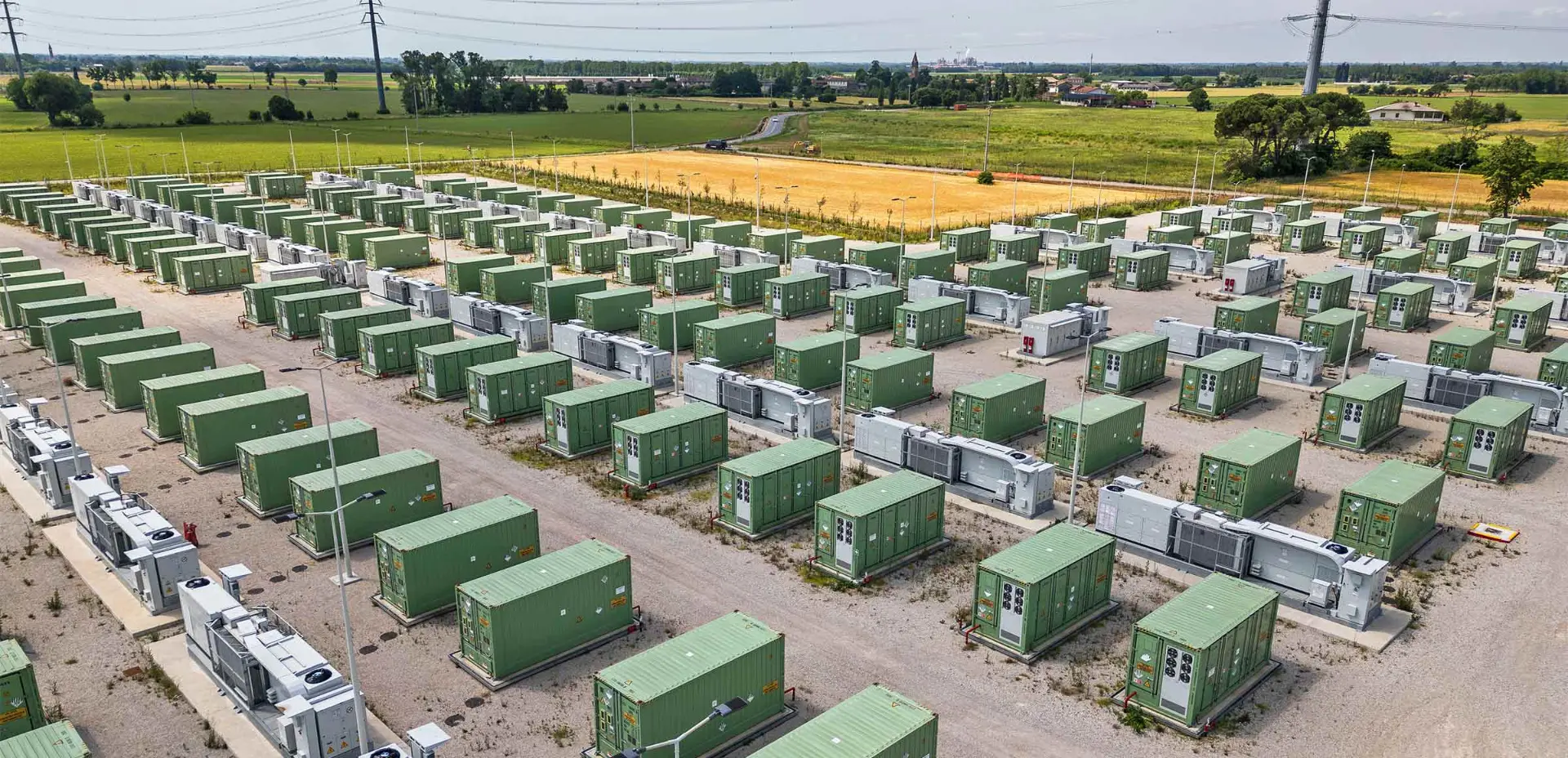
A Battery Energy Storage System (BESS) is a large-scale facility that stores electricity in rechargeable batteries and releases it whenever the electricity grid requires additional power.
As Malaysia continues expanding renewable energy generation through utility-scale solar farms, rooftop solar, and commercial & industrial (C&I) installations, Battery Energy Storage Systems have become one of the country's most important energy infrastructure investments.
Without energy storage, renewable electricity cannot always be utilised efficiently because solar generation varies throughout the day while electricity demand continues around the clock. This is why BESS Malaysia is rapidly becoming a strategic priority for utilities, project developers, investors, and government agencies.
Why Battery Energy Storage is Important for Malaysia
Malaysia aims to increase renewable energy capacity while maintaining a stable and reliable electricity grid. Solar power produces maximum electricity during midday when demand may not be at its peak, while in the evening demand rises as solar generation falls to zero.
Battery Energy Storage Systems solve this mismatch by storing excess electricity during periods of high generation and supplying it back to the grid when demand increases.
Improved grid stability
Better utilisation of renewable energy
Reduced energy curtailment
Lower carbon emissions
Faster response to grid disturbances
Increased national energy security
Reduced reliance on peaking gas-fired power plants
As electricity demand grows — particularly from data centres, industrial parks, EV charging infrastructure, and smart cities — energy storage projects will become increasingly essential.
How Does a Battery Energy Storage System Work?
Electricity Generation
Solar farms, wind projects, or the electricity grid produce electrical energy.
Battery Charging
Excess electricity is stored inside thousands of lithium-ion battery cells housed within containerised battery units.
Energy Monitoring
A sophisticated Energy Management System (EMS) continuously monitors battery health, grid frequency, electricity demand, electricity prices, charging schedules and safety conditions.
Energy Discharge
When demand increases or renewable generation declines, stored electricity is discharged back into the national grid within milliseconds.
Unlike conventional power stations that require several minutes to start, BESS responds almost instantly.
Components of a Modern BESS Facility
Battery Containers
Containerised lithium-ion battery racks designed for high-capacity energy storage.
Battery Management System (BMS)
Monitors temperature, voltage, charging cycles, and safety to maximise battery lifespan.
Power Conversion System (PCS)
Converts electricity between alternating current (AC) and direct current (DC).
Energy Management System (EMS)
Optimises charging, discharging, battery efficiency, and grid interaction.
Transformer and Substation
Connects the BESS facility to the distribution or transmission network.
Fire Protection & Cooling
Advanced suppression, ventilation, and thermal management systems ensure safe operation.
Applications of Battery Energy Storage in Malaysia
Utility-Scale Solar Farms
Store excess daytime solar generation for evening electricity demand.
Commercial & Industrial
Reduce electricity costs through peak shaving and demand management.
Data Centres
Provide uninterrupted power supply and improve operational resilience.
Manufacturing Plants
Maintain stable power quality and minimise production downtime.
Airports and Ports
Support mission-critical operations and emergency backup power.
Hospitals
Ensure continuous electricity during outages and grid disturbances.
Remote Communities & Islands
Enable reliable electricity supply without depending solely on diesel generators.
Benefits of Investing in BESS Malaysia
Supports Renewable Energy Growth
Battery storage enables higher penetration of solar and wind energy while maintaining grid reliability.
Faster Than Conventional Generation
BESS can respond to grid frequency changes in milliseconds.
Lower Carbon Emissions
Energy storage reduces reliance on fossil-fuel peaking plants and supports Malaysia's decarbonisation goals.
Improved Grid Reliability
Battery systems stabilise voltage and frequency during unexpected disturbances.
Better Energy Economics
Developers can optimise electricity dispatch, reduce energy wastage, and improve project returns depending on market structures.
Malaysia's Growing Energy Storage Market
The Battery Energy Storage Malaysia market is expected to expand significantly over the coming decade. Several factors are driving demand:
- ✅Higher renewable energy targets
- ✅Large Scale Solar (LSS) expansion
- ✅Growth of hyperscale data centres
- ✅Electrification of transportation
- ✅Smart grid modernisation
- ✅Corporate sustainability commitments
- ✅Increased electricity demand from industrial developments
As more renewable energy projects connect to the grid, battery storage will become an essential part of Malaysia's electricity infrastructure.
Land Requirements for a BESS Project
Compared with solar farms, Battery Energy Storage Systems require relatively compact sites.
| BESS Capacity | Approximate Land Area |
|---|---|
| 50 MW | 2–4 acres |
| 100 MW | 4–8 acres |
| 200 MW | 8–15 acres |
| 500 MW | 20–35 acres |
Actual land requirements vary depending on:
- Battery technology
- Fire safety separation distances
- Grid connection infrastructure
- Cooling systems
- Future expansion plans
- Local planning requirements
What Makes a Suitable BESS Site?
Selecting the right site is critical to the success of an energy storage project. A suitable site generally includes:
Projects located close to existing substations typically reduce interconnection costs and development timelines.
Investment Opportunities
Battery Energy Storage Systems present opportunities for:
- ✅Infrastructure investors
- ✅Renewable energy developers
- ✅Utility companies
- ✅Independent Power Producers (IPPs)
- ✅Data centre operators
- ✅Industrial manufacturers
- ✅Landowners with strategically located sites
- ✅Institutional investors and infrastructure funds
As Malaysia continues modernising its electricity grid, energy storage projects are expected to become an increasingly attractive long-term infrastructure asset.
Frequently Asked Questions
What is BESS?
BESS stands for Battery Energy Storage System, a facility that stores electricity and supplies it when needed to improve grid reliability and support renewable energy.
Why is BESS important in Malaysia?
Battery storage helps integrate renewable energy, stabilises the electricity grid, reduces carbon emissions, and improves energy security.
What batteries are commonly used?
Most utility-scale projects currently use lithium-ion battery technology due to its high efficiency, fast response, and declining costs.
How much land is needed?
A 100 MW Battery Energy Storage System generally requires approximately 4–8 acres, depending on technology, safety setbacks, and site layout.
Can BESS support data centres?
Yes. Battery Energy Storage Systems improve power quality, provide backup capability, reduce peak demand, and enhance operational resilience for data centres.
The Future of Battery Energy Storage in Malaysia
Battery Energy Storage Systems are transforming how electricity is generated, stored, and consumed. As Malaysia accelerates renewable energy adoption and develops energy-intensive industries such as hyperscale data centres, advanced manufacturing, and electric mobility, BESS Malaysia will play a central role in delivering a cleaner, more reliable, and more resilient electricity system.
Developers, investors, utilities, and landowners who understand the strategic importance of battery storage today will be well positioned to participate in Malaysia's next phase of energy infrastructure growth.
Looking for Land for a BESS Project in Malaysia?
Finding the right site is one of the most important factors in the success of any Battery Energy Storage System Malaysia project. Our team assists developers, investors, and landowners with:
- ✅Land sourcing and acquisition
- ✅Site identification and screening
- ✅Grid proximity assessment
- ✅Landowner representation
- ✅Development feasibility studies
- ✅Planning and land-use advisory
- ✅Strategic partnerships and project marketing
Whether you are planning a Battery Energy Storage Project, a utility-scale renewable energy development, or an integrated energy infrastructure investment, we can help identify sites with strong long-term development potential.
Contact us today to explore BESS opportunities across Malaysia
Jik Wafa
PEA 2234 · Esprit Estate Agent
012-650 8411